

Minnesota Man Who Traveled to NYC for 2-Day Javits Convention Is 2nd US Omicron Case
What to Know
- A vaccinated Minnesota man who attended a two-day convention at NYC’s Javits Center last month is confirmed to be the United States’ second omicron case; the first was announced in California a day ago
- Officials have long said it’s only a matter of time before the newest variant is detected in every U.S. state; that window appears to be shortening rapidly for New York, the one-time pandemic epicenter
- It comes at a time when core COVID metrics in New York are already up across the board; the state reported months-long highs in total hospitalizations, daily deaths and daily new cases on Wednesday
The U.S. has now confirmed its second omicron variant case — in a Minnesota resident who recently traveled to New York City for a two-day convention at the Javits Center in Manhattan, the state’s Department of Public Health said Thursday.
The affected individual is an adult male who lives in Hennepin County and had been vaccinated, officials said. He attended the Anime NYC 2021 convention at the Javits Center from Nov. 19-21. It’s not clear what else he may have done in New York City during his visit, but he developed mild symptoms on Nov. 22 and was tested for COVID two days later, officials said. His symptoms have since resolved.
Gov. Kathy Hochul and other officials, as well as public health leaders, had said it would only be a matter of time before omicron was detected locally — and that window appears to be shortening rapidly. New York state sequences only about 3.5% of positive COVID samples for variant isolation, similar to other states — but it means that variants like omicron can circulate widely undetected for some time.
Hochul said Thursday the Javits Anime convention organizers have a complete list of those who attended the two-day event and she expects contact tracing to move along much faster than it would have a year or even six months ago. She also said she and New York City Mayor Bill de Blasio would hold a joint press briefing soon, though didn’t say exactly when, to outline next steps once they learn more details.
The development came minutes before Hochul officially introduced New York's new health commissioner, a woman praised for her calm in handling the city's Ebola scare in 2014 whom the governor says is uniquely equipped to handle ongoing COVID challenges. Those appear to be mounting.
Omicron has now been confirmed in California and Minnesota and is expected to be detected in New York imminently. With hospitalizations and deaths rising markedly among the unvaccinated, the assumption of the reins by Dr. Mary T. Bassett comes at yet another critical juncture in New York's years-long COVID war.
In her first words to New Yorkers as their top state health official, Bassett said she was in close collaboration with the CDC and other health agencies and continuing to monitor the situation. She noted omicron does appear to be a more contagious variant but stressed at this point, "nobody really knows for sure" as far as whether it makes people who get infected with it sicker or more prone to reinfection.
"The news that comes in continues to suggest that it is not more lethal than other variants we have seen, but we all are waiting to learn more," Bassett said.
Hochul initially announced Bassett's appointment to replace the embattled Dr. Howard Zucker in late September but her official start date was Wednesday, the same day the CDC announced the first U.S. omicron variant case in California.
Much remains unknown about the newly identified variant, which first emerged in South Africa and has since spread to two dozen countries. The World Health Organization has labeled it a variant of concern, though U.S. officials say more research is needed to determine whether it poses a higher risk of reinfection or severe illness or is potentially more evasive when it comes to vaccines.
At this point, the working theory is that omicron is at least more transmissible than earlier strains. Its emergence -- and largely unknown potential threats to the U.S. -- comes at a time when New York is seeing its core COVID metrics rise markedly.
The Empire State reported months-long highs in the number of new daily deaths, total hospitalizations and daily cases this week. Hochul says her administration is gearing up for any potential eventuality out of an abundance of caution, triggering a state of emergency to expedite federal resource flow and hospital capacity boosts.
Virus hospitalizations, meanwhile, surpassed 3,000 for the first time since late April, marking a 57% increase in the last month alone, Hochul said Wednesday. That's still far from the highest mark of nearly 19,000 back on April 12, 2020, and from the second wave's highest mark of 9,273 back in January.
But it is, Hochul says, cause for some concern, especially for the nearly 20% of New York adults who aren't yet fully vaccinated.
Hospitals across New York are already reporting increases in COVID-19 hospitalizations, particularly in rural and lower vaccination rate communities. Out of 45 COVID-related deaths reported on Wednesday, 10 of them were in less-populated Erie County compared to at least seven within New York City,
"We expected the Omicron variant to come to the United States. We are continuing to monitor Omicron & as of right now, there are no confirmed cases in New York State," Hochul said. "We have the tools to fight Omicron & any other COVID-19 variant. Get vaccinated. Get your booster. Wear a mask."
Bassett spoke similarly in her debut remarks as the state's health commissioner. She's no stranger to New York -- or infectious diseases. She previously served as commissioner of the New York City Department of Health and Mental Hygiene and led the department’s response to the Ebola scare and disease outbreaks.
Hochul hopes she will help usher in an era of collaboration with local governments and address public health issues and racial and socioeconomic disparities.
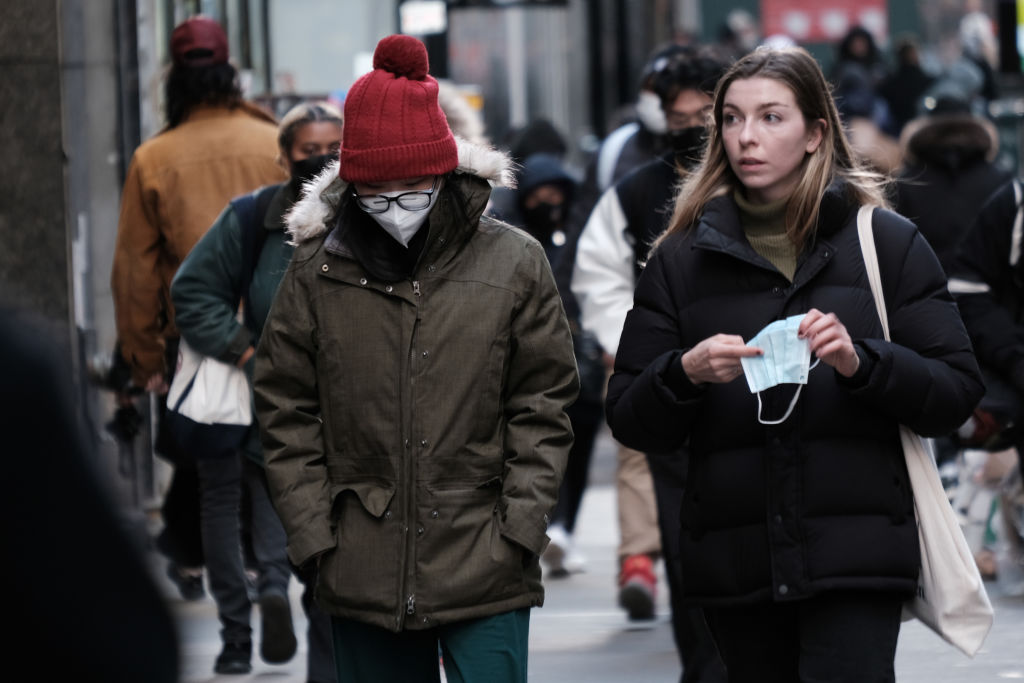
Her former employer, Mayor Bill de Blasio's administration, has echoed Hochul's concern over the COVID numbers in recent weeks, though core viral rates in the city, where the full vaccination rate among adults is up to 82%, are still largely stable.
De Blasio continues to push vaccination as the central strategy in the fight against COVID, though says he reserves the right to fight omicron by any means necessary, including reinstituting an indoor mask mandate for all people regardless of vaccination status if the data supports it. So far, that data isn't there, he says.
Right now, one data point New York officials are keeping a close eye on is hospital bed capacity. Six NYC-area hospitals are below the threshold of 10% bed capacity Wednesday, meaning that they are more than 90% filled. Two of these hospitals are Queens, three are located on Long Island and another is in Westchester County.
The 90% threshold exists to allow the state Health Department to shut down elective surgeries to free up bed capacity if needed. Hospital officials say the recent capacity rate may not be related to COVID at all though and could be seasonal.
"All hospitals have ups and downs in their census and I have to move staff as well as patients. It is an everyday activity," said Dr. Mitchell Katz, the city’s Health + Hospitals chief.
Some U.S. officials are attributing much of the latest COVID spike, which is also occurring nationally, to the delta variant, which evidence shows causes more severe illness, is more transmissible and linked to a higher risk of reinfection.
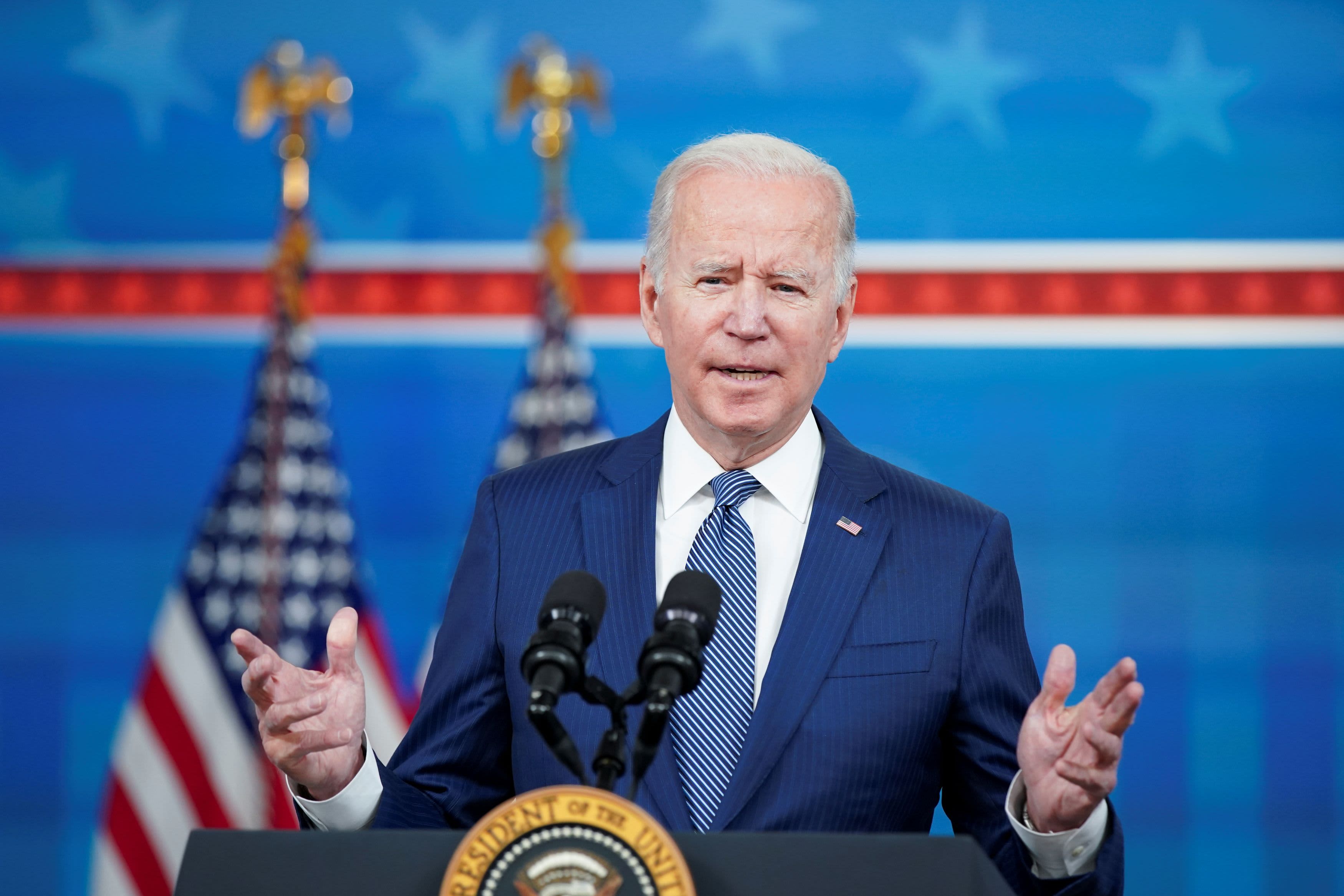
About 56,000 Americans are hospitalized with COVID, according to a seven-day average of Department of Health and Human Services data through Wednesday, up 8% over the previous week and 20% from the country's most recent low point on Nov. 10. President Joe Biden is expected to unveil his winter battle plan, one that will include free at-home tests and tighter travel rules, later Thursday.
This story uses functionality that may not work in our app. Click here to open the story in your web browser.


No comments